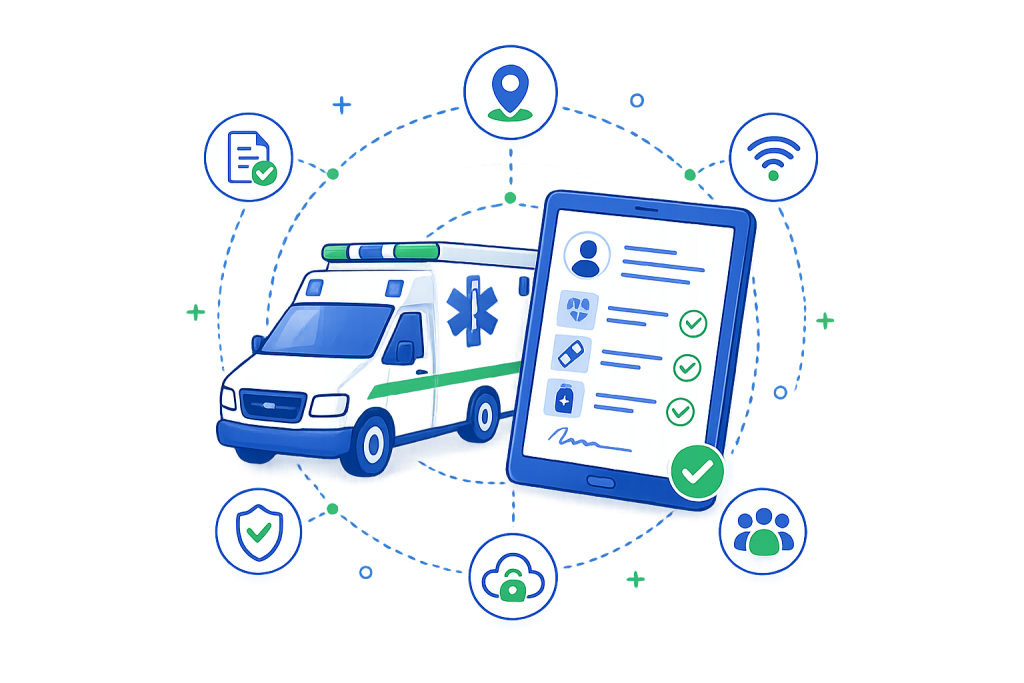
Ambulance ePCR Software Built for Faster, Cleaner EMS Documentation
Faster Field Charting for EMS Crews & Billing Teams
Cleaner, billing-ready data for QA/QI and billing teams
Medronix gives EMS crews a faster way to chart in the field and gives QA/QI and billing teams the clean, complete data they need to close out every run.
Every patient care report your crew writes does two jobs at once: it protects the patient, and it protects your agency’s revenue. A rushed or incomplete chart can mean a denied claim, a frustrated QA reviewer, or a gap in the medical record that matters months later.
Medronix’s ambulance ePCR software was built around that reality. It gives EMS crews a faster way to capture accurate patient care documentation in the field and provides your QA/QI staff and billing team the clean, complete data they need to close out a run without chasing a crew member down three days after the call.
What Is ePCR Software, and Why Does It Replace the Paper Run Sheet?
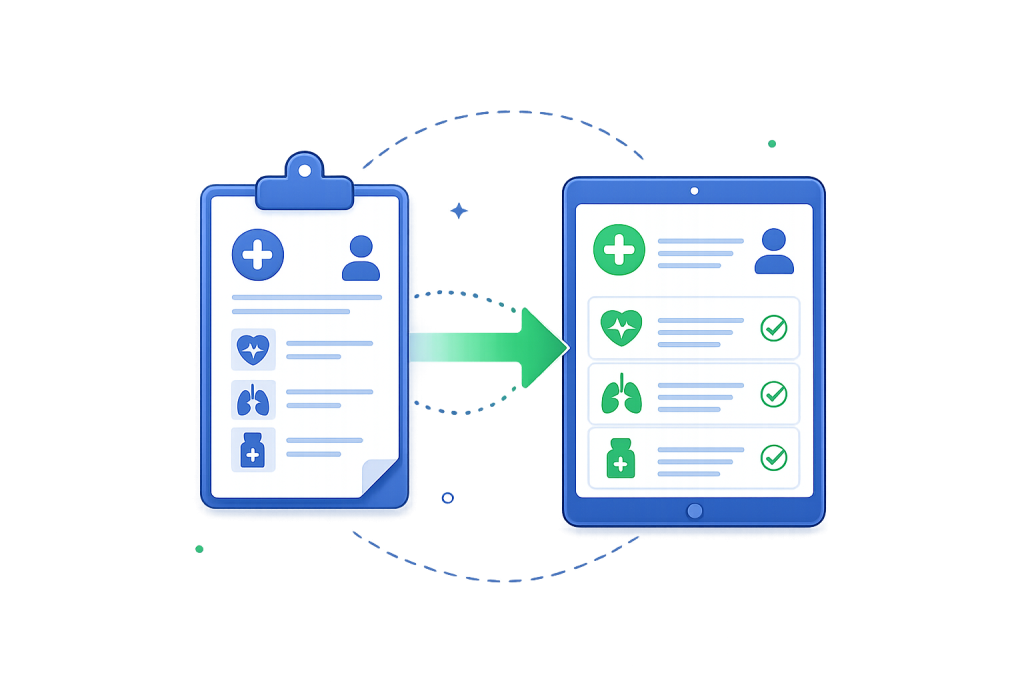
ePCR stands for electronic patient care report, and ePCR software is simply the digital system EMS crews use to document a patient encounter instead of filling out a paper run sheet by hand. The transition is more significant than it appears. Electronic PCR software can check entries as a crew types them, highlight missing vital signs or incomplete information before the chart is finished, and send that record directly into your quality assurance workflow and billing system with no need for scanning, retyping, or guessing what handwriting says.
For agencies still working from paper or a clunky legacy system, the move to a true electronic PCR software platform usually shows up first in two places: fewer charts bounced back by QA, and a faster turnaround between “call closed” and “claim submitted.” That’s the real test of any EPCR medical record system: not how it looks in a demo, However, its performance during a bustling Friday night shift.
EMS PCR Software Aligned with the Operational Practices of Your Teams
Most EPCR EMS platforms are designed around what a billing department or compliance officer needs. Medronix started somewhere else: the back of a moving ambulance, with a medic trying to finish a chart between calls.
Our EMS PCR software lets you build custom narrative templates so crews aren’t typing the same clinical story from scratch on every transport. That’s especially useful on non-emergency runs like dialysis or scheduled transfers, where the documentation still has to support medical necessity even though the call itself is routine. Fields can also be configured by incident type, so a crew responding to a cardiac call sees different default fields than one running a basic transfer, cutting down on both typing time and the documentation errors that come from rushing.
Higher-Quality EMS ePCR Data From the First Run
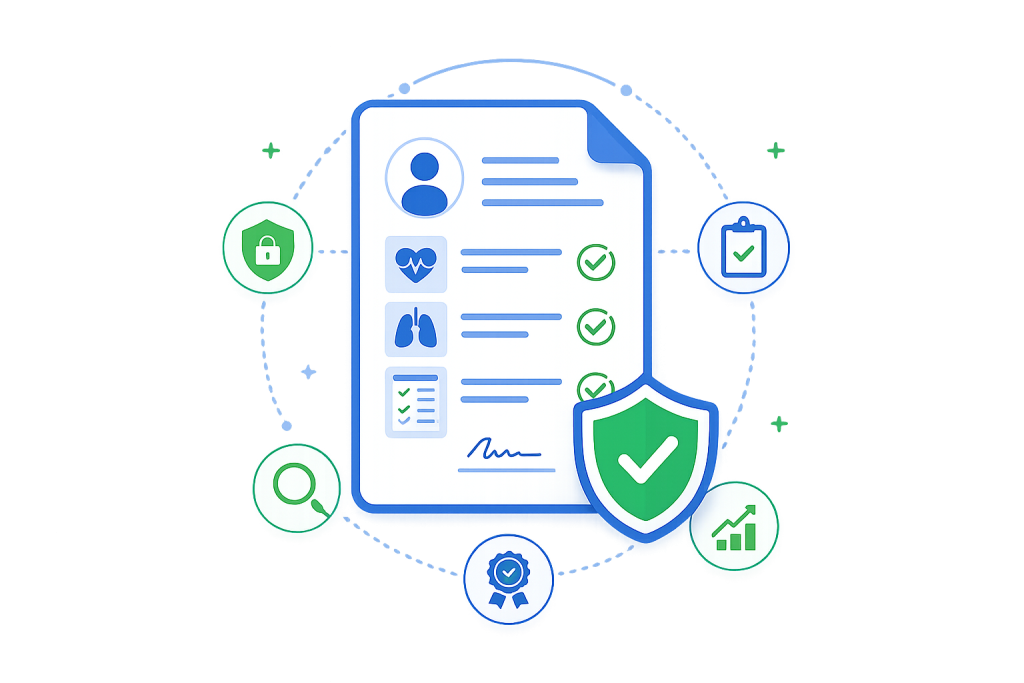
Incorrect data rarely shows up as one big mistake. It shows up as a dozen small ones: a missing signature, a vitals field left blank, and a narrative that doesn’t quite support the level of service billed. Medronix’s EPCR EMS tools are designed to find these mistakes automatically, using checks for each field and rules for required fields that highlight any issues right away, instead of waiting three weeks until a claim is denied.
Custom narrative templates do double duty here too. They help crews document everything required to support medical necessity the first time, which means fewer charts get sent back for rework and fewer claims get questioned down the line.
QA/QI Tools That Prevent Errors Instead of Just Finding Them
Most EPCR medical record systems treat quality assurance as something that happens after the fact: a reviewer reads the chart, finds the problem, and sends it back. Medronix's built-in QA/QI validation and work queue tools proactively identify issues before they reach that stage.
Focused work queues let your QA/QI staff filter by call type, so a reviewer focused on cardiac arrests or pediatric transports can work through exactly those charts instead of scrolling through everything. Upon the necessity for a correction, the crew receives a real-time notification containing sufficient context to expedite resolution, transforming quality control into an efficient feedback loop rather than a documentation bottleneck.
Maximize Revenue With Documentation Built for Billing
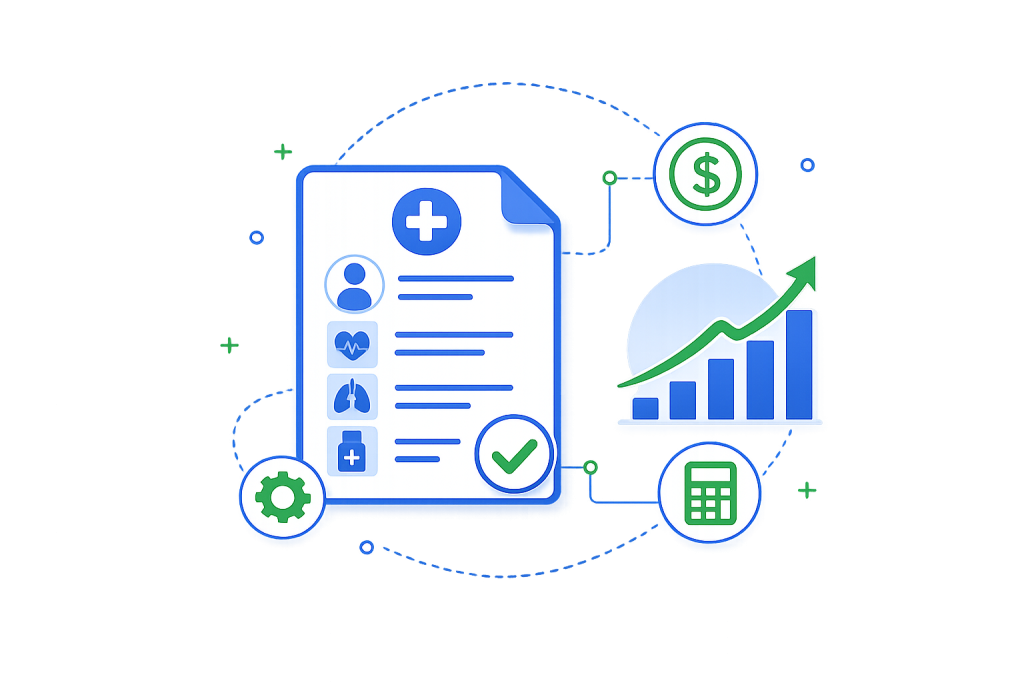
An ambulance ePCR software system is only partially effective if it simplifies documentation without facilitating claim reimbursement.. Medronix closes that gap by pairing the validation and narrative tools above with a structure your billing team can actually use: complete patient care reports with the level-of-service detail, timestamps, and signatures payers expect.
Agencies running our EMS ePCR software typically see fewer charts held up in QA limbo and a shorter gap between when a call ends and when the claim goes out the door. For most ambulance services, days in accounts receivable are one of the clearest signs of whether documentation is actually working or working against you.
This software is designed to meet the challenges of EPCR ambulance documentation
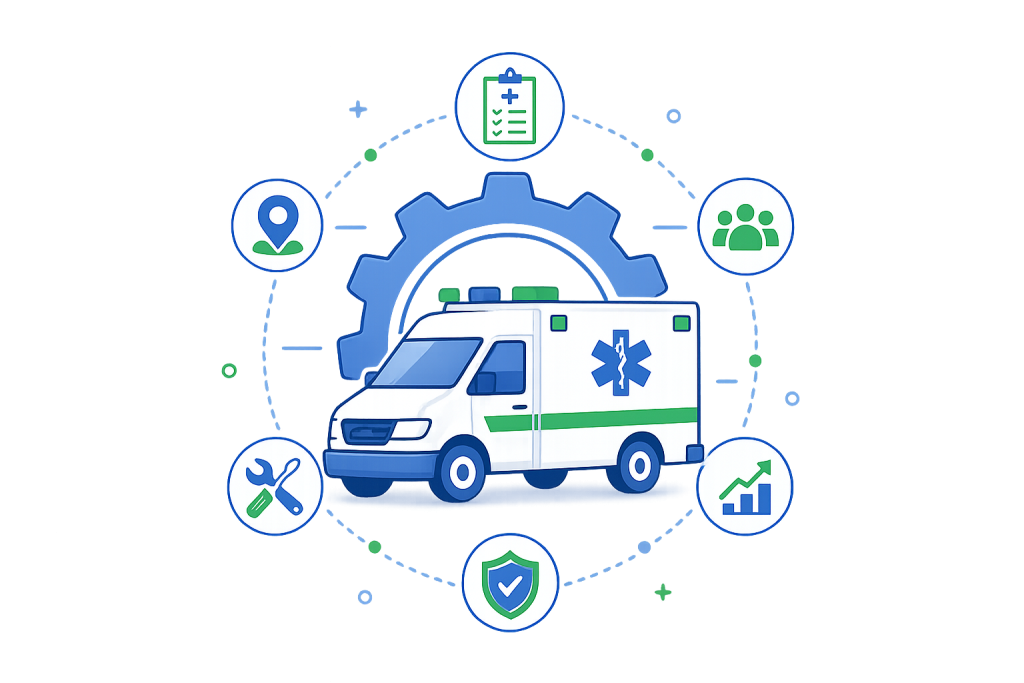
Ambulance crews don’t write reports at their desks. They write them in moving vehicles, in inclement weather, between back-to-back calls, sometimes hours after a difficult run. An EPCR ambulance tool that assumes ideal conditions gets abandoned in the field, no matter how appealing it looks in a demo.
Medronix is built around that reality: fast data entry, configurable defaults that cut down on repetitive typing, and workflow crews can pick back up mid-chart without losing their place. The goal isn’t just a compliant record. It’s documentation your crews will actually finish accurately, on the same shift they wrote it.
FAQ
Frequently Asked Questions
What is ePCR software?
Digital tool EMS crews use to document patient care calls.
How is Medronix’s ambulance ePCR software different from a generic charting tool?
Built for EMS workflows, with QA checks and clean billing.
Can EMS PCR software actually reduce billing delays?
Yes, cleaner charts mean fewer denials and faster claims.
Is Medronix’s ePCR EMS platform suitable for non-emergency transports too?
Yes, ideal for routine transports like dialysis runs.
If your crews are still wrestling with a paper run sheet or a legacy electronic PCR software platform that wasn’t built around how EMS actually works, it’s worth seeing how Medronix’s ePCR software handles it differently.